Blog

Author: Kevin Courtney, Esq. | California Attorney + Former USMC Judge Advocate

If you received a general discharge for drug use, you may feel like the military made its decision and there is nothing left to do. However, that is not the case. A general discharge upgrade for drug use is a real and achievable outcome — and for veterans who were separated with less than six years of service, the path to relief is worth understanding in full.

This post explains what a general discharge means, why drug-related separations are often upgradeable, and what you need to do to pursue a change.


What Is a General Under Honorable Conditions Discharge?

A General Under Honorable Conditions discharge — commonly called a “gen sep” — sits one level below an Honorable discharge. It is an administrative characterization, meaning it comes through a separation process rather than a criminal proceeding. However, despite being administrative, it carries real consequences.

Veterans with a general discharge may be ineligible for certain VA education benefits, may face barriers to federal employment, and can lose access to re-enlistment opportunities. Furthermore, the characterization can follow a veteran into civilian life in ways that feel disproportionate to what actually happened during their service.

For drug-related separations specifically, the general discharge is often the default outcome — even when the service member had an otherwise clean record, cooperated with investigators, and showed genuine remorse.


What Is a No-Board Separation?

Most people assume that being separated from the military means they had the opportunity to appear before a board, present their case, and fight for their career. For many veterans, that never happened — and there is a specific legal reason why.

Under Department of Defense regulations, service members with fewer than six years of total active and reserve service are generally not entitled to an Administrative Separation Board when facing separation for drug use. This is called a no-board separation. Because the command can process the separation without convening a board, many service members are discharged quickly and quietly, often without fully understanding their rights or the long-term consequences.

The absence of a board hearing does not mean the process was fair. It also does not mean the outcome is permanent. In fact, because these veterans never had the chance to present evidence or character testimony on their own behalf, they often have strong equity-based arguments for an upgrade.


The standard for upgrading a discharge through the Discharge Review Board (DRB) is whether the discharge was improper or inequitable. Equity — simply put, fairness — is where most general discharge upgrade cases for drug use are won.

Several factors commonly support an upgrade in drug-related cases.

A single isolated incident. Boards give meaningful weight to whether the drug use was part of a pattern of misconduct or a single lapse. A service member with a clean record who made one mistake is in a fundamentally different position than someone with a lengthy disciplinary history. Therefore, your overall service record matters enormously.

Cooperation with investigators. Veterans who were transparent with their chain of command or law enforcement — who admitted what happened rather than concealing it — have a credible equity argument. Cooperation reflects character, and boards can and do consider it.

Mental health and personal circumstances. If substance use was connected to untreated anxiety, depression, PTSD, or difficult personal circumstances, that context is directly relevant to your petition. A series of Department of Defense memorandums — issued under Secretaries Hagel, Carson, Kurta, Vazirani, and Wilkie — require review boards to give liberal consideration to veterans whose mental health conditions may have contributed to the conduct that led to their separation. Consequently, a diagnosis received after service can still support your petition.

Post-service conduct. Boards are not limited to what happened during your service. They also consider who you are today. Employment, sobriety, community involvement, family stability, and engagement with treatment all speak to your character and support an argument that the general discharge does not accurately reflect you as a person.


Where to File: The Discharge Review Board

For most veterans seeking a general discharge upgrade for drug use, the first stop is the Discharge Review Board for your branch of service. Each branch — Army, Navy, Marine Corps, Air Force, Space Force, and Coast Guard — operates its own DRB.

The DRB can upgrade your discharge characterization, change the reason for your separation, or both. You have 15 years from your date of separation to file a petition, and you can choose to appear in person or have your case reviewed on the record without a hearing.

If the DRB denies your petition, or if you are outside the 15-year window, the Board for Correction of Military Records (BCMR) or Board for Correction of Naval Records (BCNR) offers a second avenue. These boards have broader authority and can grant relief based on error or injustice in your record.


What a Strong Petition Includes

A general discharge upgrade petition for drug use is not simply a request — it is an argument. The strongest petitions tell a complete and honest story that connects your circumstances to the conduct at issue and demonstrates the full picture of your service and your life since separating.

That typically means assembling the following:

  • A personal statement explaining the context of the drug use, your service record, and your life since separation
  • Your complete military service records, including performance evaluations and any commendations
  • Medical or mental health records if substance use was connected to an underlying condition
  • Character letters from people who can speak credibly to your values and growth
  • Evidence of post-service stability — employment records, treatment completion, community involvement
  • A legal argument addressing the equity standard and any applicable DoD memorandums

The boards want context. Moreover, they want to see the full person — not just the incident that caused the separation. A well-constructed petition gives them what they need to reach the right outcome.


A General Discharge Is Not the Final Word

A general discharge for drug use does not have to define your future. Thousands of veterans have successfully upgraded their discharge characterization, restored their access to benefits, and corrected a record that did not tell the full story of their service.

The process takes preparation and time — but it works. And the fact that you were separated without a board hearing is not a barrier. For many veterans, it is actually part of what makes the case for an upgrade compelling.

If you received a general discharge for drug use and want to know whether an upgrade is possible, contact our office to schedule a consultation. We will discuss your record and give you an honest assessment of where you stand. Attorney Kevin Courtney is a proud Marine Corps veteran and helps veterans upgrade their discharges to restore their honor.


This post is for informational purposes only and does not constitute legal advice. Reading this post does not create an attorney-client relationship.
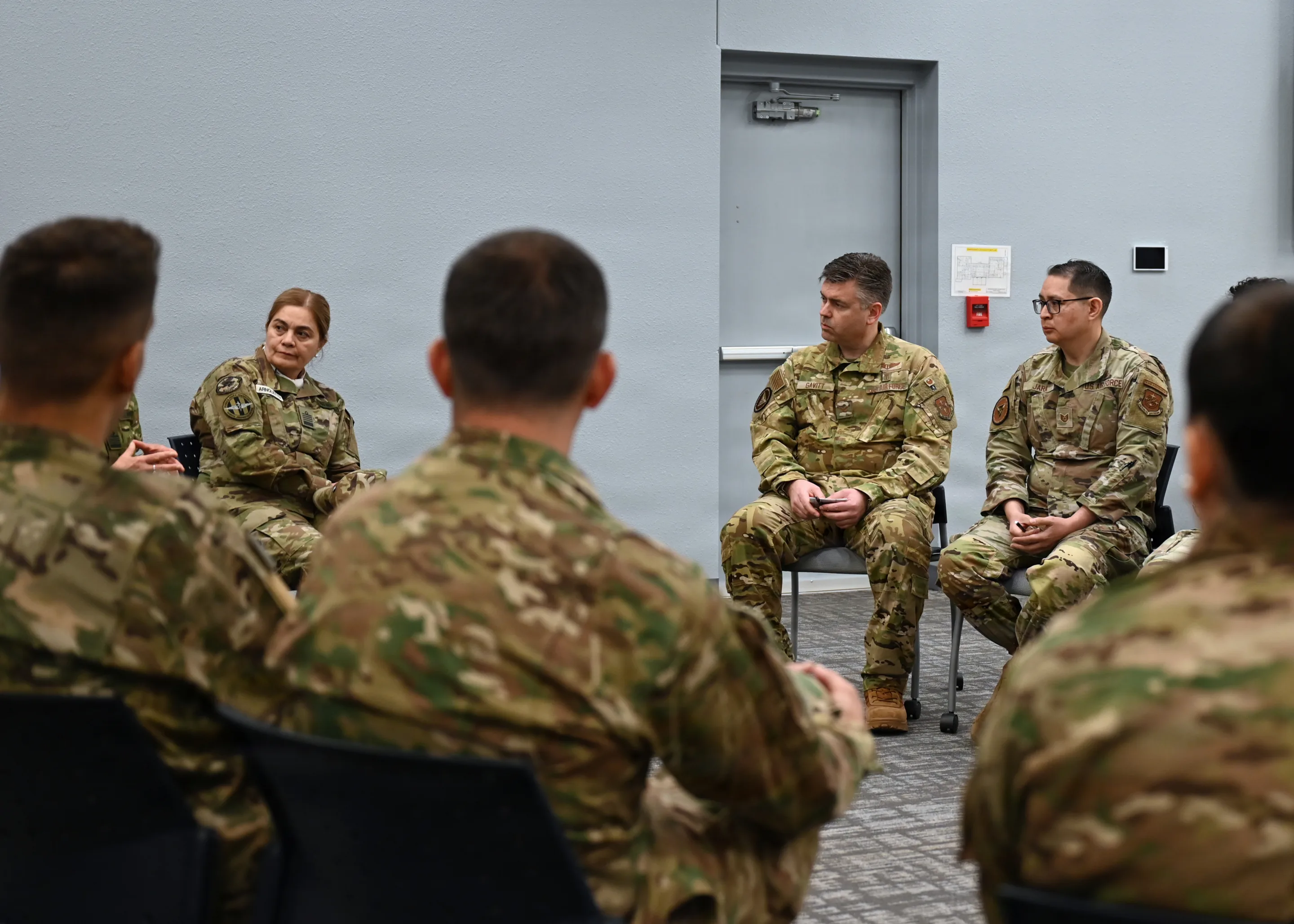
US Service Members sitting in circle discussing general discharge upgrades for drug use
Can You Upgrade a General Discharge for Drug Use to Honorable?

Author: Kevin Courtney, Esq. | California Attorney + Former USMC Judge Advocate

If you received a general discharge for drug use, you may feel like the military made its decision and there is nothing left to do. However, that is not the case. A general discharge upgrade for drug use is a real and achievable outcome — and for veterans who were separated with less than six years of service, the path to relief is worth understanding in full.

This post explains what a general discharge means, why drug-related separations are often upgradeable, and what you need to do to pursue a change.


What Is a General Under Honorable Conditions Discharge?

A General Under Honorable Conditions discharge — commonly called a “gen sep” — sits one level below an Honorable discharge. It is an administrative characterization, meaning it comes through a separation process rather than a criminal proceeding. However, despite being administrative, it carries real consequences.

Veterans with a general discharge may be ineligible for certain VA education benefits, may face barriers to federal employment, and can lose access to re-enlistment opportunities. Furthermore, the characterization can follow a veteran into civilian life in ways that feel disproportionate to what actually happened during their service.

For drug-related separations specifically, the general discharge is often the default outcome — even when the service member had an otherwise clean record, cooperated with investigators, and showed genuine remorse.


What Is a No-Board Separation?

Most people assume that being separated from the military means they had the opportunity to appear before a board, present their case, and fight for their career. For many veterans, that never happened — and there is a specific legal reason why.

Under Department of Defense regulations, service members with fewer than six years of total active and reserve service are generally not entitled to an Administrative Separation Board when facing separation for drug use. This is called a no-board separation. Because the command can process the separation without convening a board, many service members are discharged quickly and quietly, often without fully understanding their rights or the long-term consequences.

The absence of a board hearing does not mean the process was fair. It also does not mean the outcome is permanent. In fact, because these veterans never had the chance to present evidence or character testimony on their own behalf, they often have strong equity-based arguments for an upgrade.


The standard for upgrading a discharge through the Discharge Review Board (DRB) is whether the discharge was improper or inequitable. Equity — simply put, fairness — is where most general discharge upgrade cases for drug use are won.

Several factors commonly support an upgrade in drug-related cases.

A single isolated incident. Boards give meaningful weight to whether the drug use was part of a pattern of misconduct or a single lapse. A service member with a clean record who made one mistake is in a fundamentally different position than someone with a lengthy disciplinary history. Therefore, your overall service record matters enormously.

Cooperation with investigators. Veterans who were transparent with their chain of command or law enforcement — who admitted what happened rather than concealing it — have a credible equity argument. Cooperation reflects character, and boards can and do consider it.

Mental health and personal circumstances. If substance use was connected to untreated anxiety, depression, PTSD, or difficult personal circumstances, that context is directly relevant to your petition. A series of Department of Defense memorandums — issued under Secretaries Hagel, Carson, Kurta, Vazirani, and Wilkie — require review boards to give liberal consideration to veterans whose mental health conditions may have contributed to the conduct that led to their separation. Consequently, a diagnosis received after service can still support your petition.

Post-service conduct. Boards are not limited to what happened during your service. They also consider who you are today. Employment, sobriety, community involvement, family stability, and engagement with treatment all speak to your character and support an argument that the general discharge does not accurately reflect you as a person.


Where to File: The Discharge Review Board

For most veterans seeking a general discharge upgrade for drug use, the first stop is the Discharge Review Board for your branch of service. Each branch — Army, Navy, Marine Corps, Air Force, Space Force, and Coast Guard — operates its own DRB.

The DRB can upgrade your discharge characterization, change the reason for your separation, or both. You have 15 years from your date of separation to file a petition, and you can choose to appear in person or have your case reviewed on the record without a hearing.

If the DRB denies your petition, or if you are outside the 15-year window, the Board for Correction of Military Records (BCMR) or Board for Correction of Naval Records (BCNR) offers a second avenue. These boards have broader authority and can grant relief based on error or injustice in your record.


What a Strong Petition Includes

A general discharge upgrade petition for drug use is not simply a request — it is an argument. The strongest petitions tell a complete and honest story that connects your circumstances to the conduct at issue and demonstrates the full picture of your service and your life since separating.

That typically means assembling the following:

  • A personal statement explaining the context of the drug use, your service record, and your life since separation
  • Your complete military service records, including performance evaluations and any commendations
  • Medical or mental health records if substance use was connected to an underlying condition
  • Character letters from people who can speak credibly to your values and growth
  • Evidence of post-service stability — employment records, treatment completion, community involvement
  • A legal argument addressing the equity standard and any applicable DoD memorandums

The boards want context. Moreover, they want to see the full person — not just the incident that caused the separation. A well-constructed petition gives them what they need to reach the right outcome.


A General Discharge Is Not the Final Word

A general discharge for drug use does not have to define your future. Thousands of veterans have successfully upgraded their discharge characterization, restored their access to benefits, and corrected a record that did not tell the full story of their service.

The process takes preparation and time — but it works. And the fact that you were separated without a board hearing is not a barrier. For many veterans, it is actually part of what makes the case for an upgrade compelling.

If you received a general discharge for drug use and want to know whether an upgrade is possible, contact our office to schedule a consultation. We will discuss your record and give you an honest assessment of where you stand. Attorney Kevin Courtney is a proud Marine Corps veteran and helps veterans upgrade their discharges to restore their honor.


This post is for informational purposes only and does not constitute legal advice. Reading this post does not create an attorney-client relationship.

Website developed in accordance with Web Content Accessibility Guidelines 2.2.
If you encounter any issues while using this site, please contact us: 949.987.8385