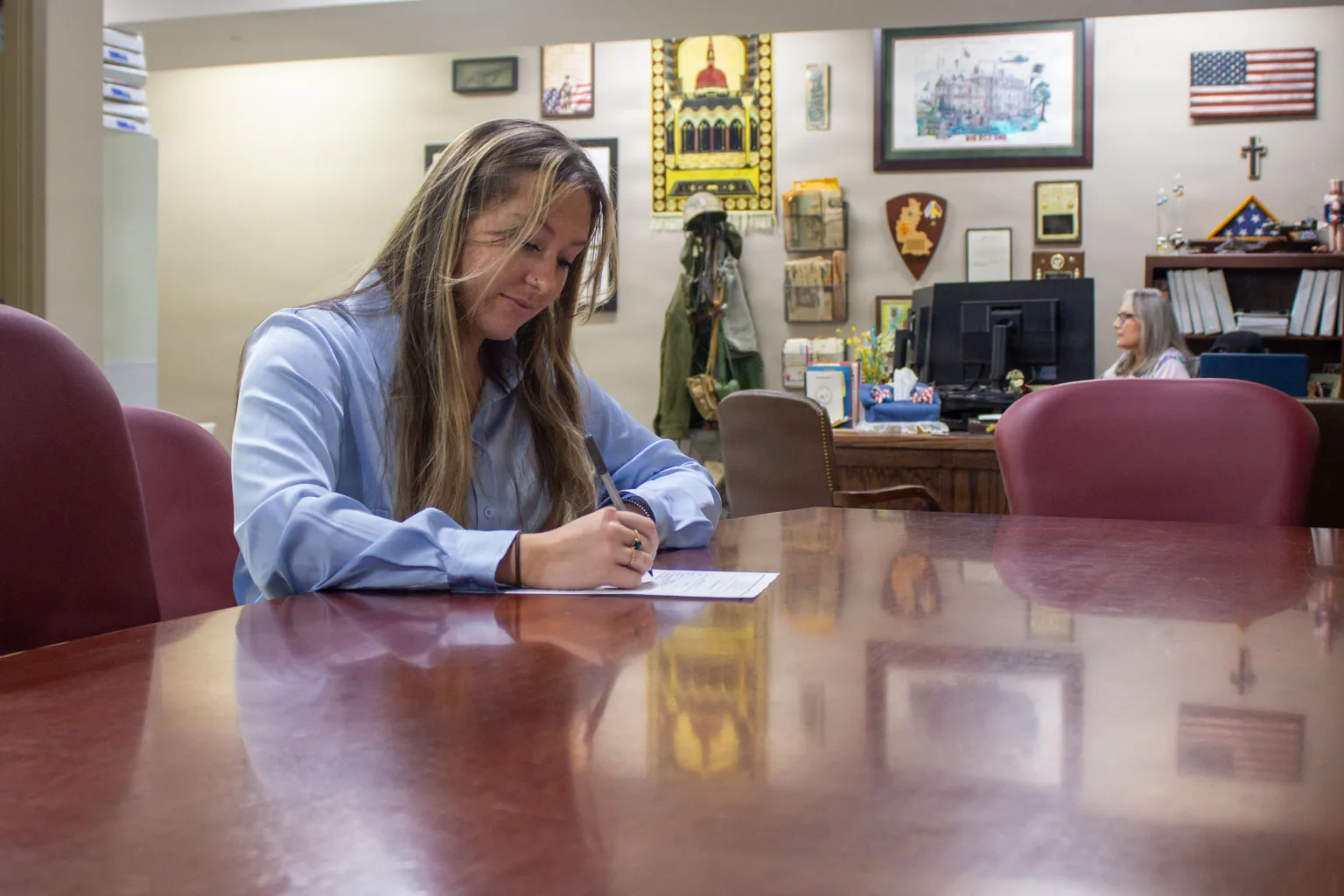
OTH discharge upgrade attorney reviewing a veteran's military records

By Kevin Courtney, Esq.  |  Former USMC Judge Advocate  |  California Attorney

An other-than-honorable discharge follows you — into VA offices, job interviews, licensing applications, and the way you carry your own service. If you are looking for an OTH discharge upgrade attorney, you likely already know the label does not tell your whole story: the misconduct that ended your career may have grown out of an injury, a trauma, a command failure, or a process that never gave you a fair hearing. Military review boards exist to correct exactly that kind of error and injustice. I am Kevin Courtney, a former Marine Corps Judge Advocate, and my firm represents veterans nationwide before the Discharge Review Boards and the Boards for Correction of Military and Naval Records. These petitions are won with evidence and strategy, not forms — and that work starts with an honest assessment of your record.

Request an OTH case review

What an OTH Discharge Actually Costs You

The consequences of an OTH are real, but they are often misstated — including by law firm websites. You do not automatically “lose all veterans benefits.” What actually happens: the VA makes its own character-of-discharge determination, and an OTH puts your eligibility for VA healthcare, disability compensation, and other benefits at risk, depending on the facts of your service and separation. The GI Bill generally does require a fully honorable discharge. Beyond benefits, the OTH surfaces on the DD-214 employers and licensing agencies request, and it quietly reframes years of honorable work around your worst chapter.

Precision matters here, because the stakes drive the strategy. In some cases the upgrade petition is about restoring benefits; in others it is about employment, a security clearance future, or setting the record straight. The firm’s overview of how to upgrade an OTH discharge covers the process from the veteran’s side; this page covers what changes when counsel builds the case.

Two forums can change your characterization, and choosing correctly is the first strategic decision. Within 15 years of separation, you may apply to your service’s Discharge Review Board on DD Form 293. The DRB reviews both propriety (was the discharge legally and procedurally correct?) and equity (was it fair?). After 15 years — or after a DRB denial, or where the issues exceed DRB authority — the petition goes to the Board for Correction of Military Records or Board for Correction of Naval Records on DD Form 149 under an error-or-injustice standard.

Where PTSD, TBI, military sexual trauma, or another mental health condition contributed to the misconduct, the boards must apply liberal consideration under 10 U.S.C. § 1552(h)(1) and the Kurta memo. Many OTH cases live squarely in this framework, because the same deployment injuries and traumas that changed a service member’s behavior are what commands processed as misconduct. I explain the standard in plain English in what liberal consideration really means, and I walk through the OTH process itself in this video.

The Evidence a Strong OTH Petition Requires

Boards do not upgrade discharges because an applicant asks sincerely. They upgrade when the record proves error or injustice. A strong OTH petition usually requires a developed record: the complete military personnel and medical file; evidence of the underlying condition or circumstances (current diagnoses, nexus opinions, incident documentation); the before-and-after service contrast; a carefully built personal declaration; corroborating statements; and documented post-service conduct — work history, education, treatment, community involvement — that carries the equity argument. The firm’s guide to the best evidence for a discharge upgrade shows how boards weigh each element.

Assembling that record takes months of deliberate work. It is the difference between a petition that argues and a petition that proves.

I brought Kevin my case, he looked at it and said “I can help you.” He did that tremendously. – Avvo Review, 2025

Request a review of your record and evidence

Why Hire an OTH Discharge Upgrade Attorney

Veterans can file without counsel, and pro bono programs exist for those who cannot afford representation — if cost is a barrier, I encourage you to use them. Paid representation earns its place in cases with real stakes and real complexity: where the theory of error or injustice has to be constructed from a messy record, where medical evidence needs to be developed rather than merely collected, where an advisory opinion must be rebutted, and where one application needs to count. Boards are not required to grant relief even when they could; the petitions that succeed anticipate the board’s questions before they are asked.

How Our Firm Approaches OTH Discharge Upgrade Cases

Our practice is built for board work. The engagement typically moves through six stages:

  • Record review. I obtain and read your complete personnel, medical, and separation file — and tell you candidly what I see, including weaknesses.
  • Theory of the case. Every winning petition rests on a specific, articulable error or injustice. We identify yours before writing a word.
  • Evidence plan. Diagnoses, nexus opinions, incident records, witness statements, post-service documentation — sourced and sequenced.
  • Your declaration. Drafted with you, in your voice, structured so the board can follow the connection between what happened and how your service ended.
  • The brief. A written legal argument matched to the correct standard — propriety, equity, liberal consideration — not a form with attachments.
  • Advisory-opinion rebuttal and next steps. If the board’s advisors weigh in against you, we answer. If the board denies, we assess reapplication or the next forum, including the correction boards through the firm’s BCMR and BCNR petition practice.

OTH cases often connect to the firm’s broader records-correction work. Start with the main military discharge upgrade attorney page for the full practice, the records correction page when the 15-year window has closed, and the firm’s practice areas overview for everything else, from administrative separation boards to security clearance appeals.

Frequently Asked Questions

What are the chances my OTH discharge gets upgraded?

No honest attorney will quote you odds without reading your record, and no outcome can be guaranteed. What I can tell you: boards grant relief when petitions prove error or injustice with developed evidence, liberal consideration meaningfully helps applicants whose cases involve mental health conditions, and incomplete petitions fail predictably.

How long does an OTH discharge upgrade take?

Expect the full process — evidence development through board decision — to take a year or more, varying by board and caseload. Building the record properly takes months before filing; the board’s review takes months after.

Do I need a personal appearance hearing?

Not always. DRBs offer records-only and personal-appearance reviews, and the right choice is strategic: some cases benefit from your testimony, others are stronger on a fully developed paper record. This is exactly the kind of decision we make together after the record review.

What if my discharge was more than 15 years ago?

The DRB window has closed, but the BCMR or BCNR can still hear your case under the error-or-injustice standard, and the three-year rule is waivable in the interest of justice. Older cases with strong post-service records can be compelling equity cases.

Does PTSD, TBI, or MST strengthen my case?

If a mental health condition or trauma contributed to the misconduct behind your OTH, the boards must apply liberal consideration — a deliberately generous evidentiary standard. These are often the strongest OTH cases, but they still require developed medical and lay evidence.

Can I get VA benefits while my upgrade is pending?

Possibly. The VA makes its own character-of-discharge determinations, and certain care — including some mental health care — may be available to OTH veterans depending on the circumstances. A discharge upgrade petition and a VA eligibility question are separate tracks, and I will tell you plainly which one your goal actually requires. However, our firm does NOT handle VA claims or appeals. Anyone looking for VA disability assistance should reach out to Ms. Emma Shinn at the Berry Law.

Do you represent veterans outside California?

Yes. Discharge review is federal administrative practice — the boards sit in Washington-area offices and decide cases on written records and scheduled hearings. Courtney Military Law Group represents service members, veterans, and retirees nationwide.

Military Law helped me with a petition to have my discharge upgraded. I brought Kevin my case, he looked at it and said “I can help you.” He did that tremendously. Kevin stayed in contact with me throughout the process and when he wasnt able to, his office staff were always a pleasure to work with. We had 1 shot and Kevin executed the task perfectly. I would recommend anyone in need of military related legal services to contact Kevin Courtney at Military Law without hesitation.

Verified client review, Avvo, September 24, 2025. Read more client reviews. Every case is different, and past results do not guarantee future outcomes.

This page is general information and is not legal advice. Every case is different, and outcomes depend on the record, the requested relief, the applicable board, and the strength of the evidence. Past results do not guarantee future outcomes. If you have questions about your situation, speak with a qualified military law attorney.

Start With a Case Review

An OTH discharge is not a life sentence, but correcting it takes proof. If you are ready to find out whether your record supports a petition, request an OTH case review and include your branch, your separation year, the stated basis for your discharge, and what has already been tried. You will get a candid answer from a real OTH discharge upgrade attorney — including if I think you should not invest money on this.
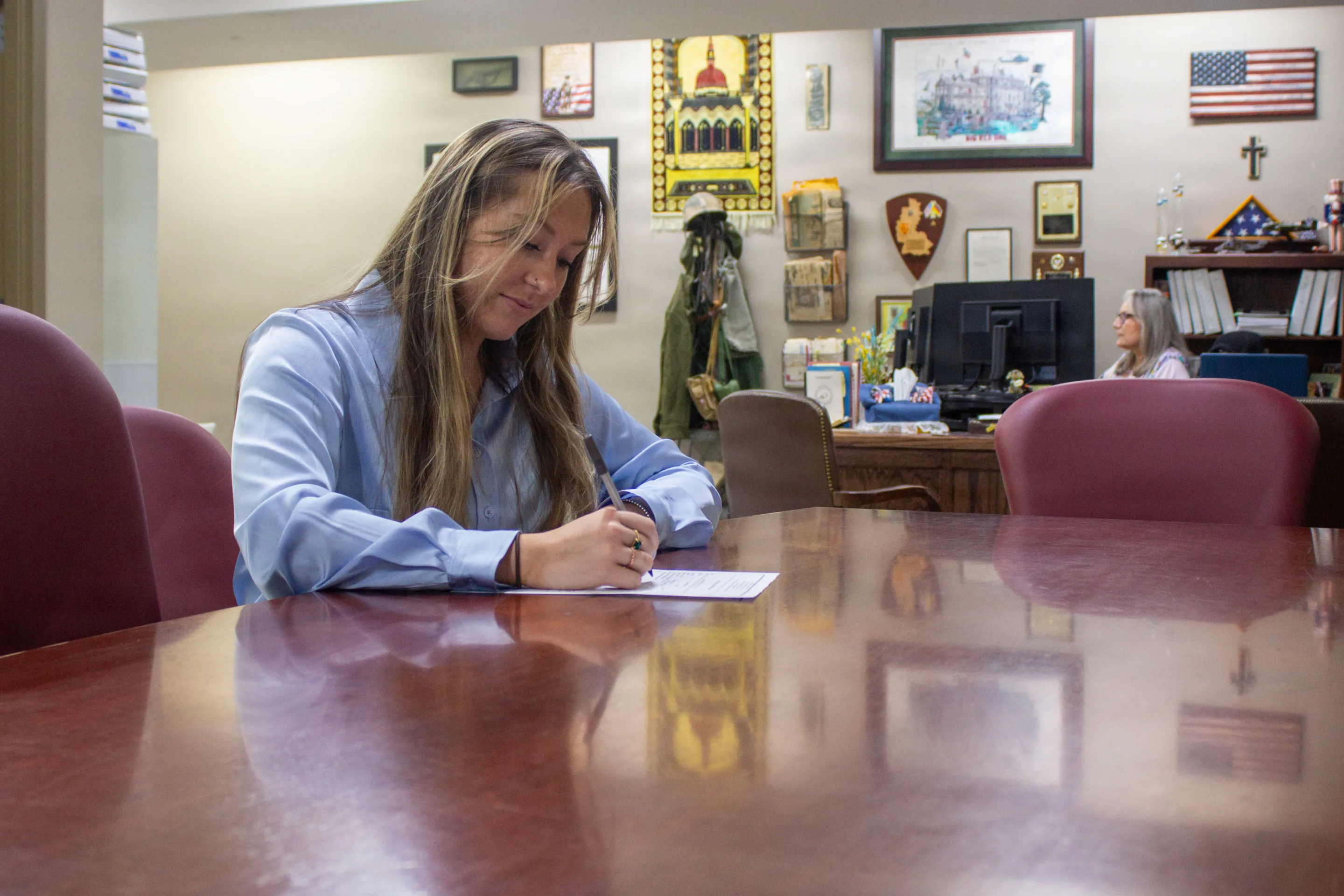
OTH discharge upgrade attorney reviewing a veteran's military records
OTH Discharge Upgrade Attorney

By Kevin Courtney, Esq.  |  Former USMC Judge Advocate  |  California Attorney

An other-than-honorable discharge follows you — into VA offices, job interviews, licensing applications, and the way you carry your own service. If you are looking for an OTH discharge upgrade attorney, you likely already know the label does not tell your whole story: the misconduct that ended your career may have grown out of an injury, a trauma, a command failure, or a process that never gave you a fair hearing. Military review boards exist to correct exactly that kind of error and injustice. I am Kevin Courtney, a former Marine Corps Judge Advocate, and my firm represents veterans nationwide before the Discharge Review Boards and the Boards for Correction of Military and Naval Records. These petitions are won with evidence and strategy, not forms — and that work starts with an honest assessment of your record.

Request an OTH case review

What an OTH Discharge Actually Costs You

The consequences of an OTH are real, but they are often misstated — including by law firm websites. You do not automatically “lose all veterans benefits.” What actually happens: the VA makes its own character-of-discharge determination, and an OTH puts your eligibility for VA healthcare, disability compensation, and other benefits at risk, depending on the facts of your service and separation. The GI Bill generally does require a fully honorable discharge. Beyond benefits, the OTH surfaces on the DD-214 employers and licensing agencies request, and it quietly reframes years of honorable work around your worst chapter.

Precision matters here, because the stakes drive the strategy. In some cases the upgrade petition is about restoring benefits; in others it is about employment, a security clearance future, or setting the record straight. The firm’s overview of how to upgrade an OTH discharge covers the process from the veteran’s side; this page covers what changes when counsel builds the case.

Two forums can change your characterization, and choosing correctly is the first strategic decision. Within 15 years of separation, you may apply to your service’s Discharge Review Board on DD Form 293. The DRB reviews both propriety (was the discharge legally and procedurally correct?) and equity (was it fair?). After 15 years — or after a DRB denial, or where the issues exceed DRB authority — the petition goes to the Board for Correction of Military Records or Board for Correction of Naval Records on DD Form 149 under an error-or-injustice standard.

Where PTSD, TBI, military sexual trauma, or another mental health condition contributed to the misconduct, the boards must apply liberal consideration under 10 U.S.C. § 1552(h)(1) and the Kurta memo. Many OTH cases live squarely in this framework, because the same deployment injuries and traumas that changed a service member’s behavior are what commands processed as misconduct. I explain the standard in plain English in what liberal consideration really means, and I walk through the OTH process itself in this video.

The Evidence a Strong OTH Petition Requires

Boards do not upgrade discharges because an applicant asks sincerely. They upgrade when the record proves error or injustice. A strong OTH petition usually requires a developed record: the complete military personnel and medical file; evidence of the underlying condition or circumstances (current diagnoses, nexus opinions, incident documentation); the before-and-after service contrast; a carefully built personal declaration; corroborating statements; and documented post-service conduct — work history, education, treatment, community involvement — that carries the equity argument. The firm’s guide to the best evidence for a discharge upgrade shows how boards weigh each element.

Assembling that record takes months of deliberate work. It is the difference between a petition that argues and a petition that proves.

I brought Kevin my case, he looked at it and said “I can help you.” He did that tremendously. – Avvo Review, 2025

Request a review of your record and evidence

Why Hire an OTH Discharge Upgrade Attorney

Veterans can file without counsel, and pro bono programs exist for those who cannot afford representation — if cost is a barrier, I encourage you to use them. Paid representation earns its place in cases with real stakes and real complexity: where the theory of error or injustice has to be constructed from a messy record, where medical evidence needs to be developed rather than merely collected, where an advisory opinion must be rebutted, and where one application needs to count. Boards are not required to grant relief even when they could; the petitions that succeed anticipate the board’s questions before they are asked.

How Our Firm Approaches OTH Discharge Upgrade Cases

Our practice is built for board work. The engagement typically moves through six stages:

  • Record review. I obtain and read your complete personnel, medical, and separation file — and tell you candidly what I see, including weaknesses.
  • Theory of the case. Every winning petition rests on a specific, articulable error or injustice. We identify yours before writing a word.
  • Evidence plan. Diagnoses, nexus opinions, incident records, witness statements, post-service documentation — sourced and sequenced.
  • Your declaration. Drafted with you, in your voice, structured so the board can follow the connection between what happened and how your service ended.
  • The brief. A written legal argument matched to the correct standard — propriety, equity, liberal consideration — not a form with attachments.
  • Advisory-opinion rebuttal and next steps. If the board’s advisors weigh in against you, we answer. If the board denies, we assess reapplication or the next forum, including the correction boards through the firm’s BCMR and BCNR petition practice.

OTH cases often connect to the firm’s broader records-correction work. Start with the main military discharge upgrade attorney page for the full practice, the records correction page when the 15-year window has closed, and the firm’s practice areas overview for everything else, from administrative separation boards to security clearance appeals.

Frequently Asked Questions

What are the chances my OTH discharge gets upgraded?

No honest attorney will quote you odds without reading your record, and no outcome can be guaranteed. What I can tell you: boards grant relief when petitions prove error or injustice with developed evidence, liberal consideration meaningfully helps applicants whose cases involve mental health conditions, and incomplete petitions fail predictably.

How long does an OTH discharge upgrade take?

Expect the full process — evidence development through board decision — to take a year or more, varying by board and caseload. Building the record properly takes months before filing; the board’s review takes months after.

Do I need a personal appearance hearing?

Not always. DRBs offer records-only and personal-appearance reviews, and the right choice is strategic: some cases benefit from your testimony, others are stronger on a fully developed paper record. This is exactly the kind of decision we make together after the record review.

What if my discharge was more than 15 years ago?

The DRB window has closed, but the BCMR or BCNR can still hear your case under the error-or-injustice standard, and the three-year rule is waivable in the interest of justice. Older cases with strong post-service records can be compelling equity cases.

Does PTSD, TBI, or MST strengthen my case?

If a mental health condition or trauma contributed to the misconduct behind your OTH, the boards must apply liberal consideration — a deliberately generous evidentiary standard. These are often the strongest OTH cases, but they still require developed medical and lay evidence.

Can I get VA benefits while my upgrade is pending?

Possibly. The VA makes its own character-of-discharge determinations, and certain care — including some mental health care — may be available to OTH veterans depending on the circumstances. A discharge upgrade petition and a VA eligibility question are separate tracks, and I will tell you plainly which one your goal actually requires. However, our firm does NOT handle VA claims or appeals. Anyone looking for VA disability assistance should reach out to Ms. Emma Shinn at the Berry Law.

Do you represent veterans outside California?

Yes. Discharge review is federal administrative practice — the boards sit in Washington-area offices and decide cases on written records and scheduled hearings. Courtney Military Law Group represents service members, veterans, and retirees nationwide.

Military Law helped me with a petition to have my discharge upgraded. I brought Kevin my case, he looked at it and said “I can help you.” He did that tremendously. Kevin stayed in contact with me throughout the process and when he wasnt able to, his office staff were always a pleasure to work with. We had 1 shot and Kevin executed the task perfectly. I would recommend anyone in need of military related legal services to contact Kevin Courtney at Military Law without hesitation.

Verified client review, Avvo, September 24, 2025. Read more client reviews. Every case is different, and past results do not guarantee future outcomes.

This page is general information and is not legal advice. Every case is different, and outcomes depend on the record, the requested relief, the applicable board, and the strength of the evidence. Past results do not guarantee future outcomes. If you have questions about your situation, speak with a qualified military law attorney.

Start With a Case Review

An OTH discharge is not a life sentence, but correcting it takes proof. If you are ready to find out whether your record supports a petition, request an OTH case review and include your branch, your separation year, the stated basis for your discharge, and what has already been tried. You will get a candid answer from a real OTH discharge upgrade attorney — including if I think you should not invest money on this.